
Blog
Welcome to our blog! Here you’ll find practical tips, expert insights, and helpful resources on mental health and wellness for children, teens, and adults.

How to Support Someone You Love Who Is Struggling With Alcohol or Substance Use
Learn how to support someone you love who is struggling with alcohol or substance use while setting healthy boundaries and taking care of yourself.

What Is the Difference Between Substance Use, Misuse, and Addiction?
Learn the difference between substance use, problematic substance use, and addiction. Understanding your relationship with drugs or alcohol can help you recognize when additional support may be helpful.

Can You Have a Drinking Problem and Still Be "High-Functioning"?
You can have a drinking problem while maintaining work, family, and daily responsibilities. Learn what "high-functioning" drinking looks like and when it may be time to seek help.

Why Do I Drink When I'm Stressed, Anxious, or Upset?
Do you find yourself drinking when you're stressed, anxious, or upset? Learn why alcohol can become a coping strategy and how therapy can help you develop healthier ways to manage difficult emotions.

Am I Drinking Too Much? Signs Your Alcohol Use May Be Becoming a Problem
Wondering if your alcohol use has become a concern? Learn signs that drinking may be impacting your life and how therapy can help you develop healthier coping strategies.

Why Can't I Trust People? Understanding How Past Experiences Shape Relationships
Struggling to trust others doesn't always mean something is wrong with you. Learn how trauma and past experiences can affect trust and how therapy can help you build healthier relationships.

What Is Complex Trauma? Understanding the Lasting Impact of Repeated Trauma
Complex trauma can affect relationships, emotions, self-esteem, and daily life long after traumatic experiences have ended. Learn the signs of complex trauma and how therapy can help.

Is It Depression or Grief? Understanding the Difference
Grief and depression can feel similar, but they aren't the same. Learn how to recognize the differences, when to seek support, and how therapy can help you heal.

Am I Depressed or Just Stressed? How to Tell the Difference
Feeling overwhelmed and wondering if it's stress or depression? Learn the key differences, common symptoms, and when it may be time to seek professional support.

Signs of Depression in Teens: What Parents Should Know
Depression in teens can look different than it does in adults. Learn the common signs of teen depression, what parents should watch for, and when professional support may help.

Can Burnout Turn Into Depression?
Burnout and depression share similar symptoms, but burnout can sometimes develop into depression when chronic stress continues without recovery. Learn the signs, differences, and when to seek therapy support.

How to Know if You’re Experiencing Depression
Depression does not always look like sadness. Learn the emotional, mental, and physical signs of depression, how it can affect daily life, and when it may be time to seek therapy and support.

How to Know When It’s Time to Seek Therapy
Wondering if it’s time to seek therapy? Learn common signs that emotional stress, anxiety, trauma, burnout, or relationship struggles may be affecting your well-being and how therapy can help support healing, growth, and emotional balance

The Hidden Signs of Trauma in High-Achieving Adults
Many high-achieving adults appear successful and capable on the outside while quietly struggling with anxiety, emotional exhaustion, perfectionism, overthinking, and difficulty slowing down. In this blog, Mountain Laurel Wellness in Oxford, CT explores the hidden signs of trauma and how trauma therapy can help individuals move out of survival mode and toward healing.
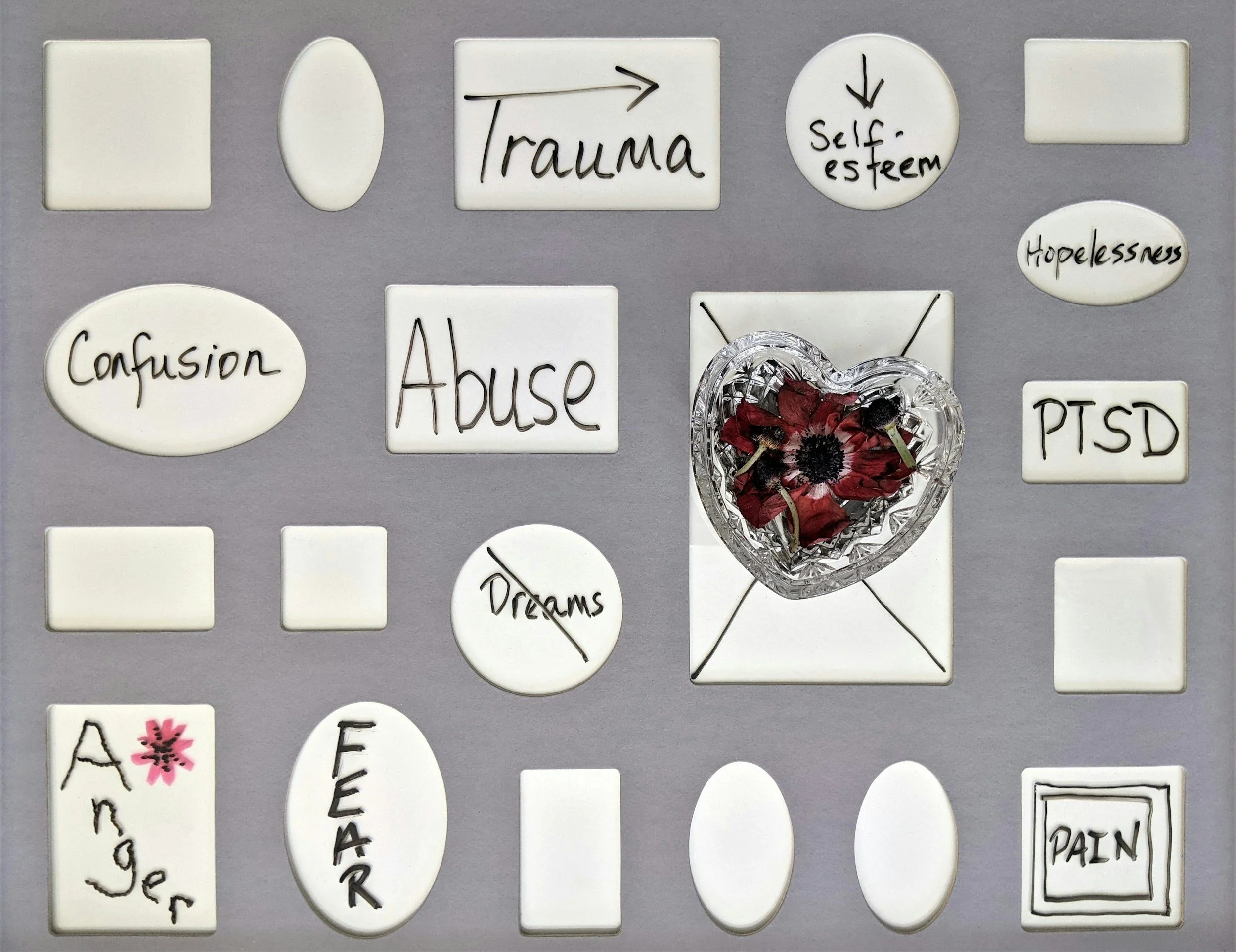
EMDR vs Traditional Talk Therapy: What’s the Difference?
Wondering whether EMDR or traditional talk therapy may be the right fit for you? In this blog, Mountain Laurel Wellness in Oxford, CT explores the differences between EMDR and talk therapy, how each approach works, and how therapy can help individuals struggling with trauma, anxiety, emotional overwhelm, and feeling emotionally “stuck.”

What Trauma Therapy Actually Feels Like
Trauma therapy is often very different from what people expect. Many clients worry they will have to relive painful experiences immediately, but effective trauma therapy is designed to move at a safe and supportive pace. In this blog, Mountain Laurel Wellness in Oxford, CT explores what trauma therapy actually feels like, common misconceptions about healing, and how therapy can help individuals better understand and manage the lasting effects of trauma, anxiety, and emotional overwhelm.

Why You Feel Stuck in Life (And What Trauma Has to Do With It)
If you feel stuck in life, unmotivated, or disconnected despite wanting change, there may be deeper reasons beneath the surface. This post explores how past experiences and nervous system responses can contribute to feeling stuck and why it is not simply about motivation or willpower.

Why You React the Way You Do: Fight, Flight, Freeze, and Fawn Explained
Have you ever reacted in a way that felt automatic or stronger than the situation required? Fight, flight, freeze, and fawn responses are survival patterns shaped by the nervous system. This post explains why these reactions happen and how they connect to past experiences.

How Childhood Trauma Affects Adult Relationships
Childhood experiences often shape how we relate to others in adulthood. If relationships feel confusing, intense, or hard to maintain, there may be deeper patterns at play. This post explores how childhood trauma can affect trust, connection, and emotional safety in adult relationships.

How Trauma Affects the Brain and Body
Trauma doesn’t just stay in the past. It shapes how your body and mind respond today. If you’ve ever felt constantly on edge, overwhelmed, or disconnected without knowing why, your experiences may be playing a role. This post breaks down how trauma affects the brain and body in simple, relatable terms